Buying an LED Display: What to Consider Beyond Price? 5 Key Factors Before Investing
The cheapest LED display isn't always the most cost-effective. Five key factors every organisation should weigh before investing in an LED display.
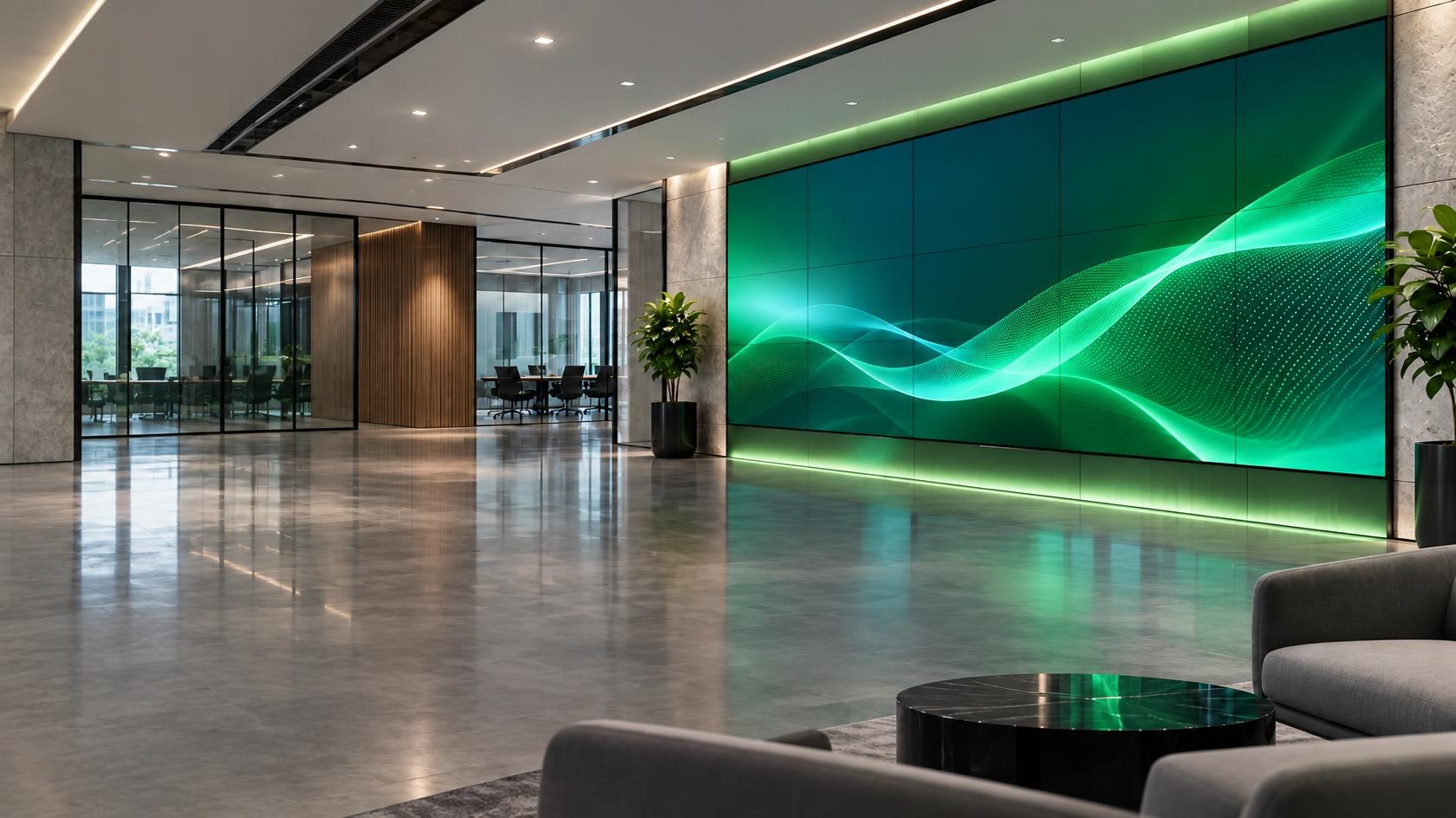
When an organisation plans an LED display for a meeting room, showroom, shopping centre, advertising space or control room, the first question is often:
“How much does an LED display cost per square metre?”
Price is an important consideration, but choosing an LED display solely on its initial purchase price can result in a system that does not suit its actual use, or additional expenses later on.
An LED display is more than a screen. It is a complete system comprising the display, control equipment, mounting structure, electrical installation and ongoing maintenance.
Before investing, STEP Solutions invites you to explore five important factors to consider beyond price.
1. Pixel Pitch — Match Resolution to Viewing Distance
Pixel pitch is the distance between LED pixels, measured in millimetres (mm), with examples including P1.2, P1.5, P2.5 and P3.9.
A smaller number means the pixels are closer together, allowing more image detail on a display of the same size.
However, not every project needs the finest pixel pitch available.
For example:
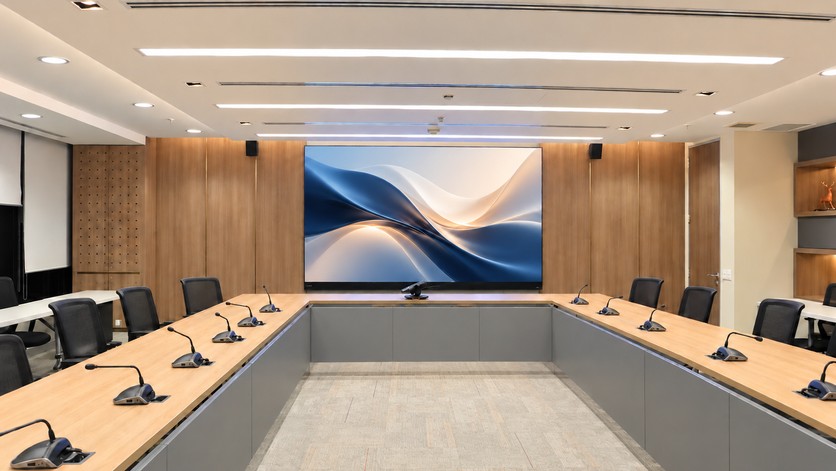
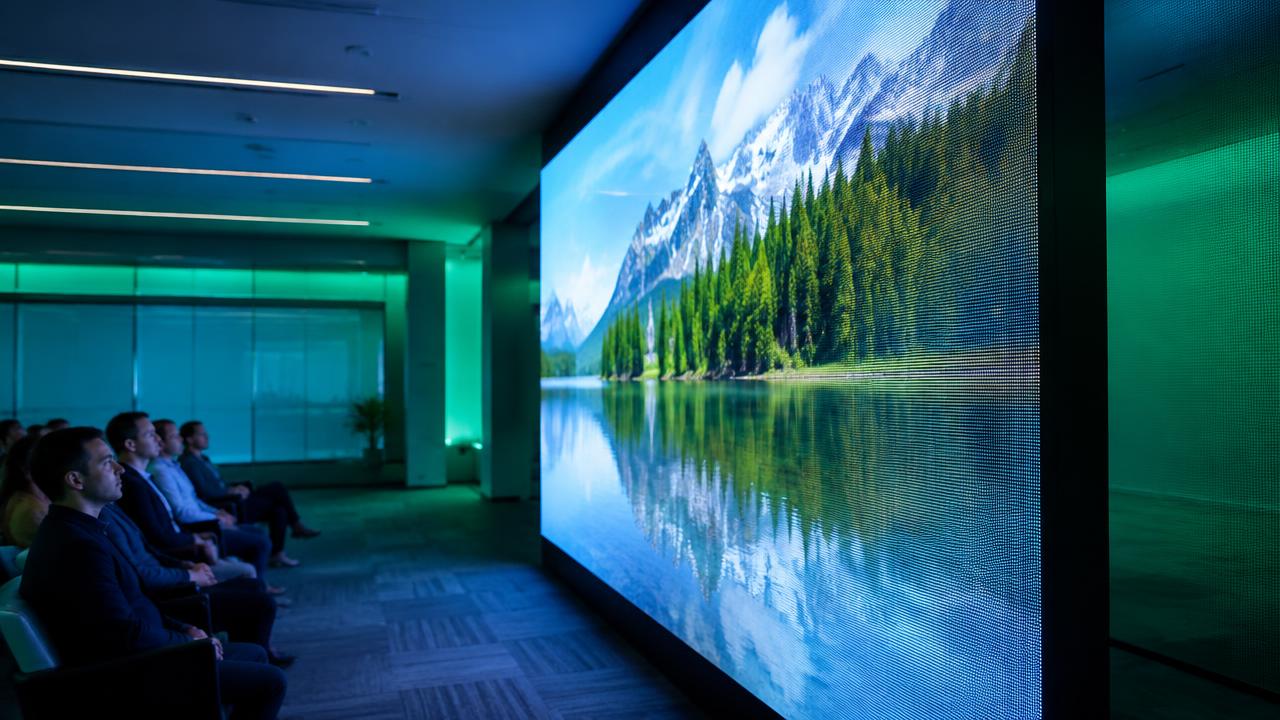
Meeting rooms and control rooms: Fine pixel pitch may be needed because users sit close to the screen and need to read detailed information.
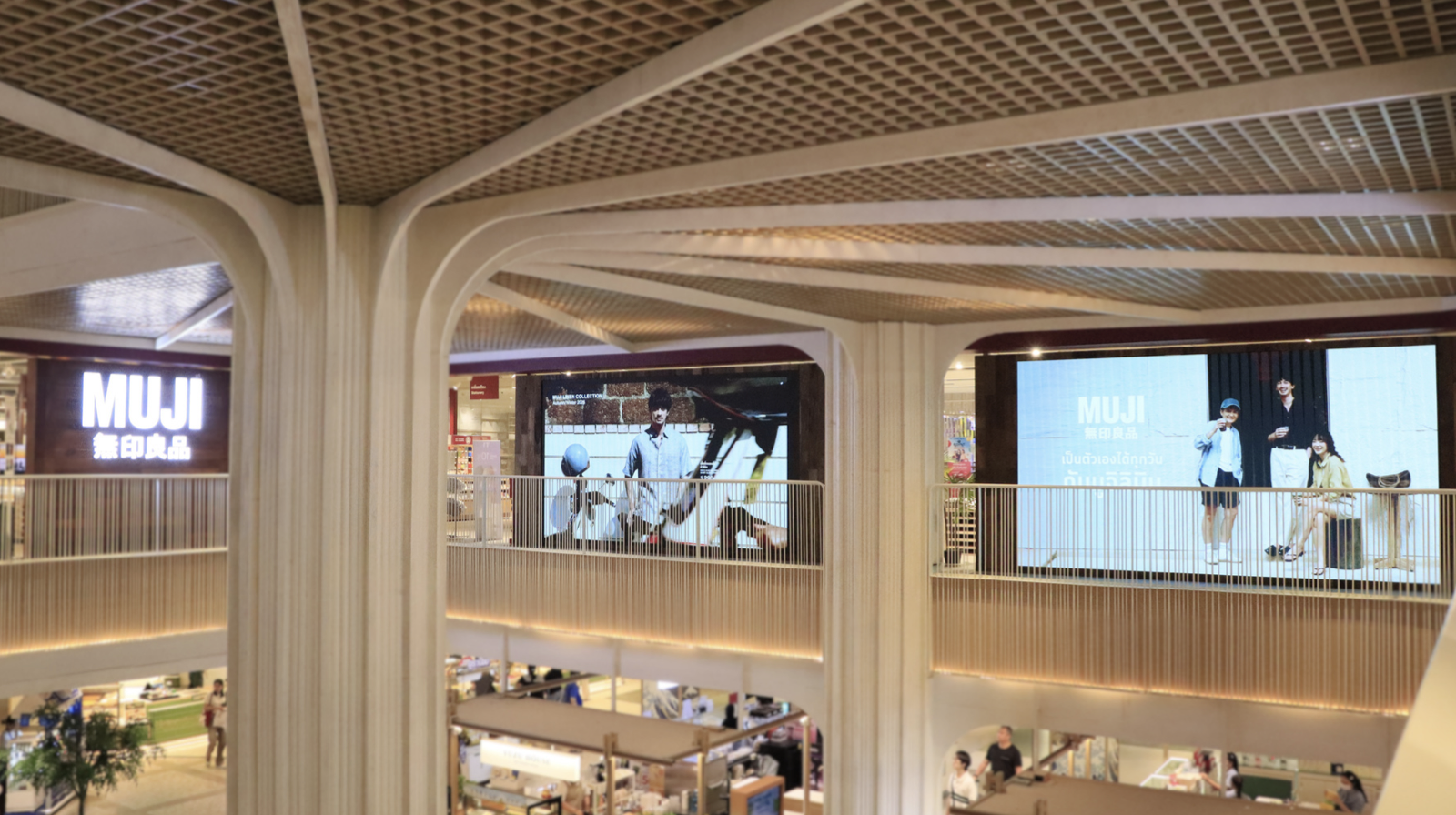
Reception halls and exhibition spaces: Choose according to viewing distance and content type.
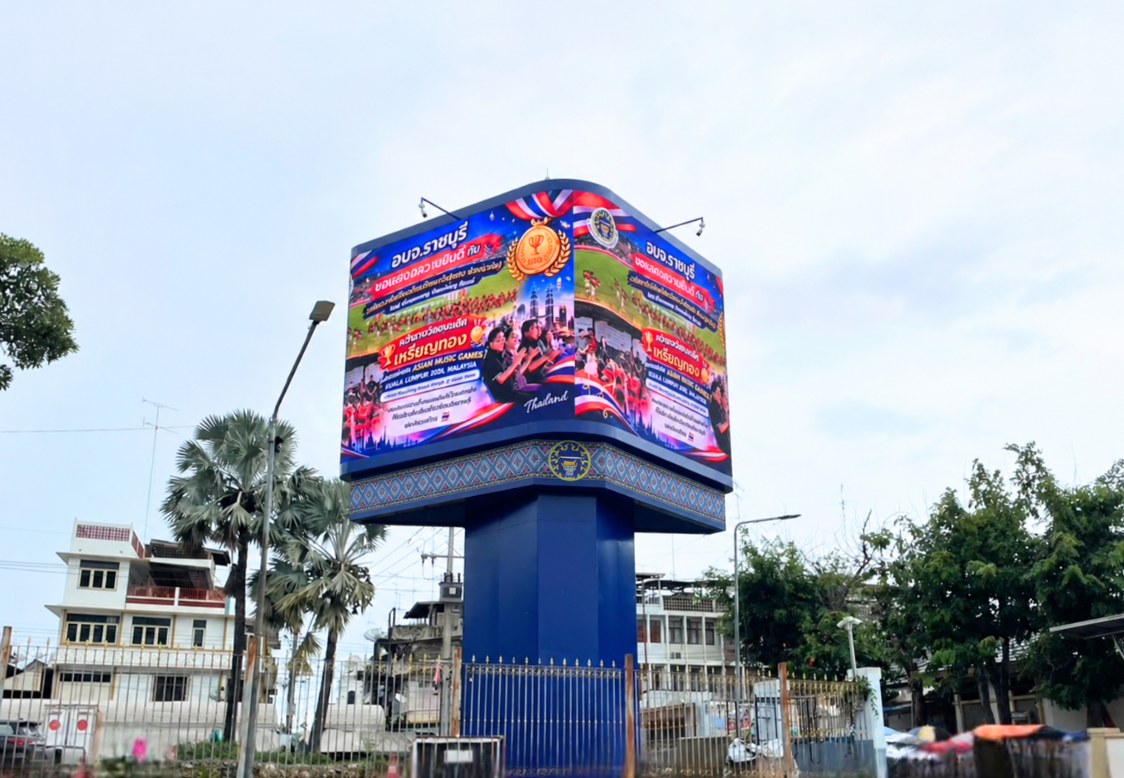
Outdoor advertising: A larger pixel pitch may be suitable when viewers are farther from the screen.
Consider the nearest viewing distance, screen size, required resolution and budget together when selecting pixel pitch.
Recommendation: Before requesting a quotation, measure the distance from viewers to the display and specify whether the screen will show video, advertising images, text or highly detailed information.
2. Brightness — Brighter Is Not Always More Suitable
LED display brightness is measured in nits, or cd/m², and directly affects the viewing experience.
Indoor and outdoor installations have different operating conditions.
Indoor LED Display
Suitable for meeting rooms, shops, showrooms and other indoor spaces. Brightness should match the ambient lighting and remain comfortable for viewers.
Outdoor LED Display
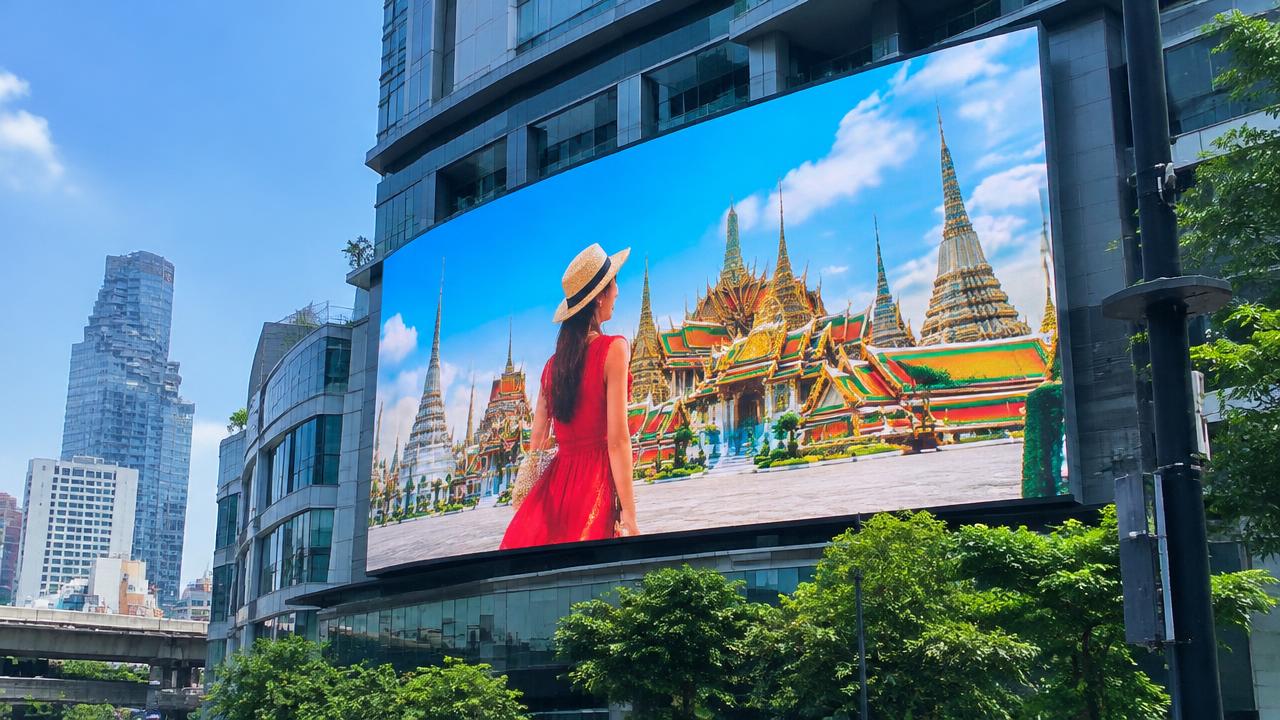
Consider sunlight, weather, dust, humidity and daytime visibility, as well as an appropriate level of equipment protection.
Brightness that exceeds the actual requirement can increase energy consumption and cause discomfort in some environments.
Selecting an appropriate LED display therefore requires an assessment of the lighting at the installation site and the brightness adjustment system.
3. Installation — Design and Installation Affect the Entire Project Cost
LED displays of the same size do not necessarily have the same installation cost.
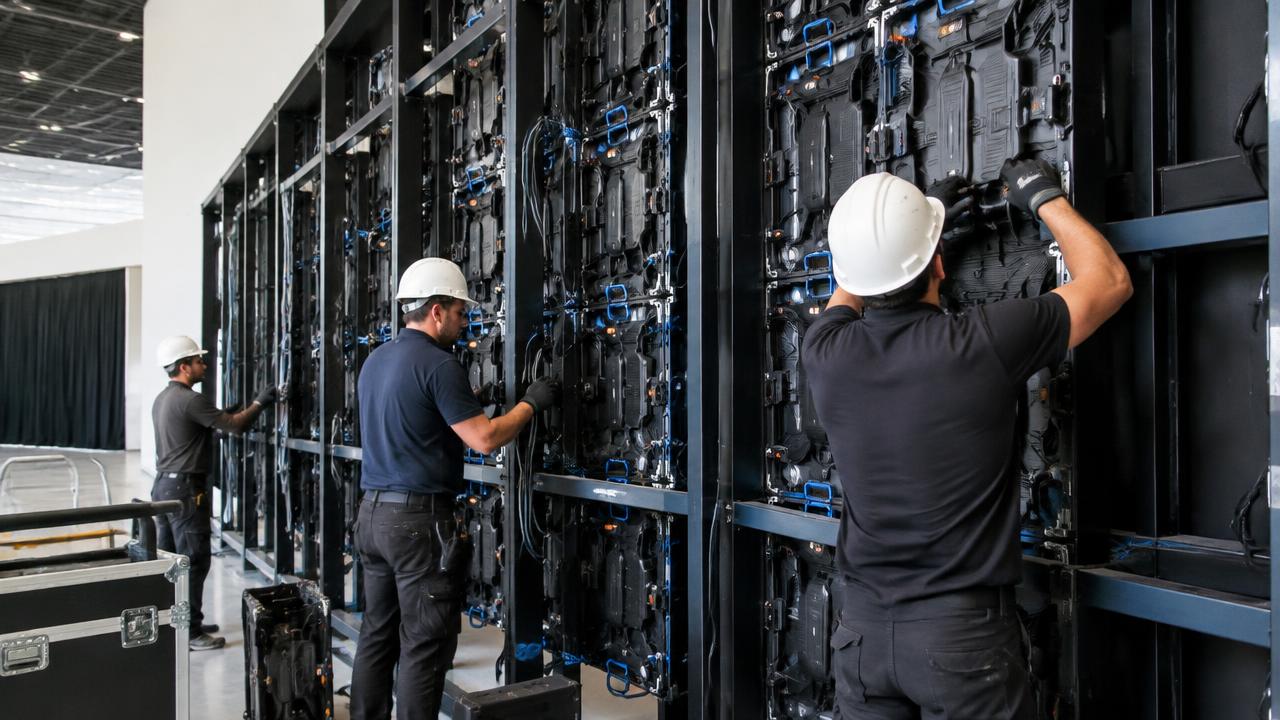
Every site has different constraints involving structure, load-bearing capacity, electrical systems, signal cabling and access for maintenance.
Before installation, consider:
The structure and load-bearing capacity of the site
Power supply and signal cable routing
Heat dissipation and environmental conditions
Access space for equipment maintenance
The suitability of front-service or rear-service designs
For example, a display mounted close to a wall may suit front-access maintenance, while another project may allow a service area behind the screen.
Planning installation from the outset helps reduce unexpected expenses and makes future maintenance more convenient.
4. Controller & System Integration — A Good Display Must Work with Your Systems
An LED display is only one part of the overall display system.
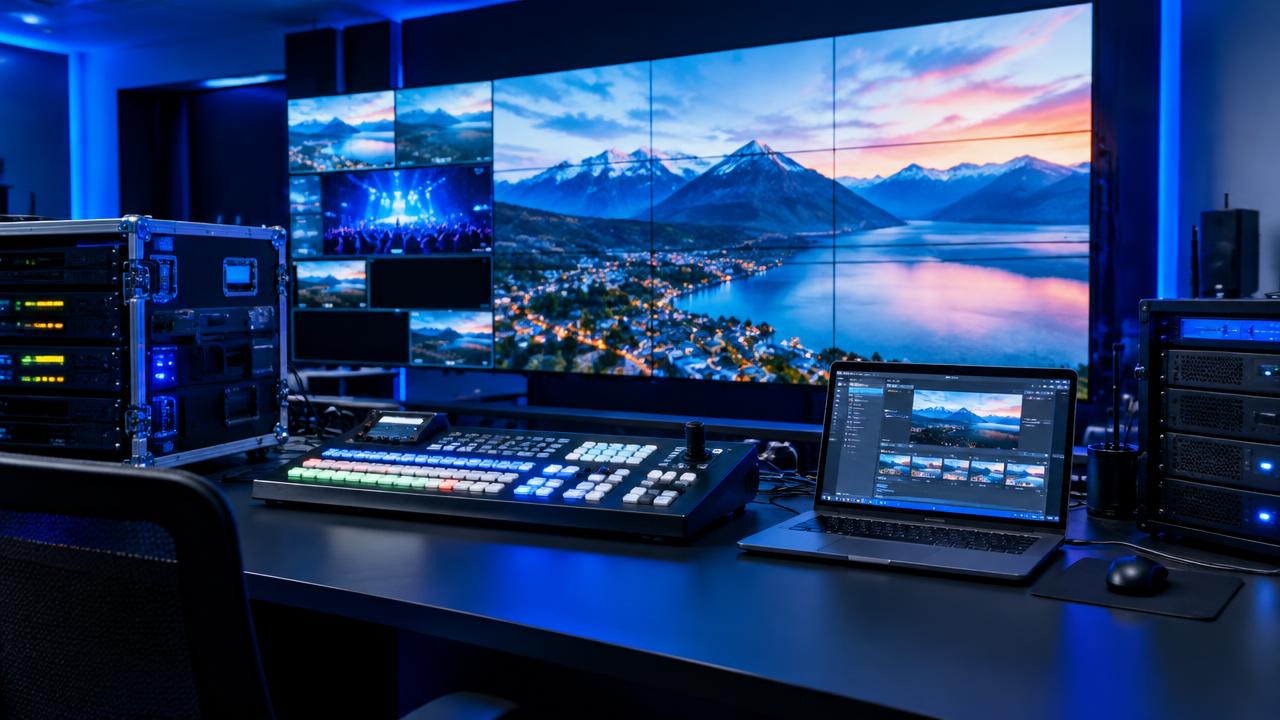
Another important component is the LED controller, which manages input signals and display output to suit the screen and its intended use.
For more complex projects, consider capabilities such as:
Support for the screen resolution and total pixel count
Inputs from computers, cameras or AV equipment
Displaying multiple signal sources
Layout management and source switching
Integration with a Digital Signage CMS or other organisational control systems
For example, a meeting room that presents multiple input sources has different requirements from an advertising display that plays scheduled content.
Controller selection should begin with the actual use case, rather than simply choosing the least expensive device.
5. Warranty, Service & Total Cost of Ownership — Assess Long-Term Value
The purchase price of an LED display is only part of the project cost.
Organisations should consider Total Cost of Ownership (TCO): the combined cost throughout the system’s operational life, including:
The LED display and control equipment
Mounting structure and installation
Electricity throughout the operating period
Maintenance and spare parts
Equipment repair or replacement
The impact of system downtime
Check warranty terms carefully: which components are covered, the duration of coverage, spare-part availability and the service arrangements when a problem occurs.
For organisations that depend on LED displays in their operations, the ability to maintain the system can be just as important as screen quality.

Checklist Before Requesting an LED Display Quotation
Prepare the following information to help your supplier recommend a system that matches your needs:
1. Installation location: Indoor or outdoor
2. Available space: Width × height of the screen or installation area
3. Viewing distance: The nearest and typical viewing distances
4. Content type: Video, advertising, presentations or information from multiple systems
5. Operating time: Hours of use per day
6. Connected systems: Computers, AV systems, a CMS or other equipment
7. Budget and schedule: Planned budget range and required start date
This information enables a project assessment that goes beyond comparing prices per square metre.
Conclusion: A Cost-Effective LED Display Is One That Fits Its Actual Use
Choosing an LED display for an organisation should begin with its purpose, viewing distance, environment and connected systems.
Then assess specifications, price, installation and long-term costs to identify a solution that suits both the project’s operational needs and its budget.
STEP Solutions prioritises understanding customer requirements to design and recommend LED display solutions suited to each space and application.
Planning an LED Display Project?
Are you planning an LED display installation for your organisation?
Send your site details, screen dimensions and intended use to the STEP Solutions team for an initial assessment before deciding on your investment.
STEP Solutions — Display Technology. Integrated Solutions.
Website: www.step-solutions.com
Frequently Asked Questions (FAQ)
Q: Is a smaller pixel pitch always better?
Not always. A smaller pixel pitch increases pixel density, but the right choice depends on viewing distance, content type, screen size and budget.
Q: Can an indoor LED display be installed outdoors?
Generally, an indoor display should not be installed outdoors without appropriate design and protection. Outdoor screens need to handle different lighting and weather conditions.
Q: Why do LED displays of the same size have different prices?
Differences can arise from pixel pitch, display technology, equipment quality, control systems, structure, installation and after-sales service terms.
Q: What information is needed for an LED display quotation?
Prepare the screen or installation dimensions, viewing distance, intended use, installation location, connected systems and an initial budget.
Talk to our experts
Interested in this solution for your organisation?
The Step Solutions team is ready to survey, design, manufacture, install and maintain a system tailored to your space and goals.